How do you get people to put down their phones by giving them a reason to pick them up? At SDH, I designed a mobile adventure platform that transformed outdoor exploration into engaging gameplay—reducing setup time by 50% and driving weekly user returns through intuitive design and social features.
Project Snapshot:
Role: UX/UI Designer
Timeline: 6 months in 2021
Platform: Web, Android
Team: 2 Designers, 1 PM, 1 BA, 5 Software Developers, 1 DevOps, 1 Marketer
Tools: Figma, FigJam, User Testing, Atlassian, ChatGPT, Slack, Zoom, etc.
About the product:
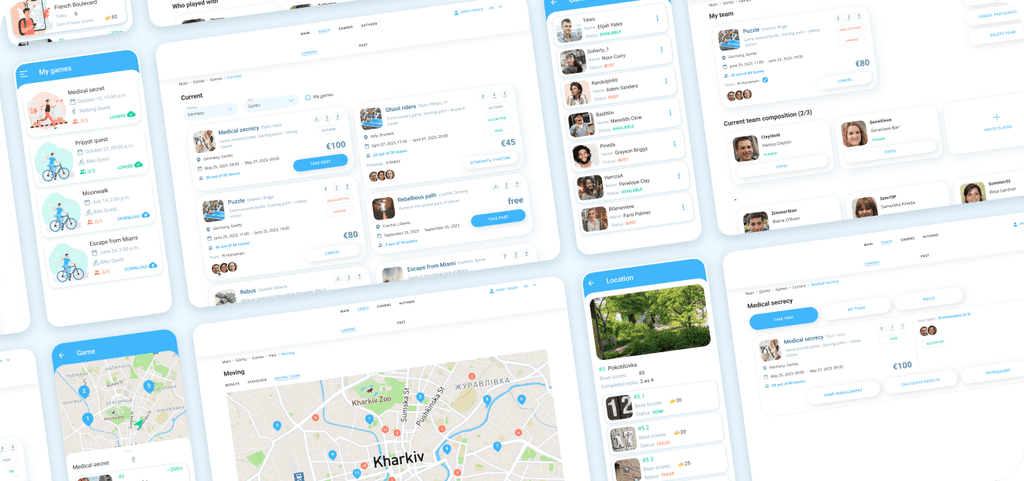
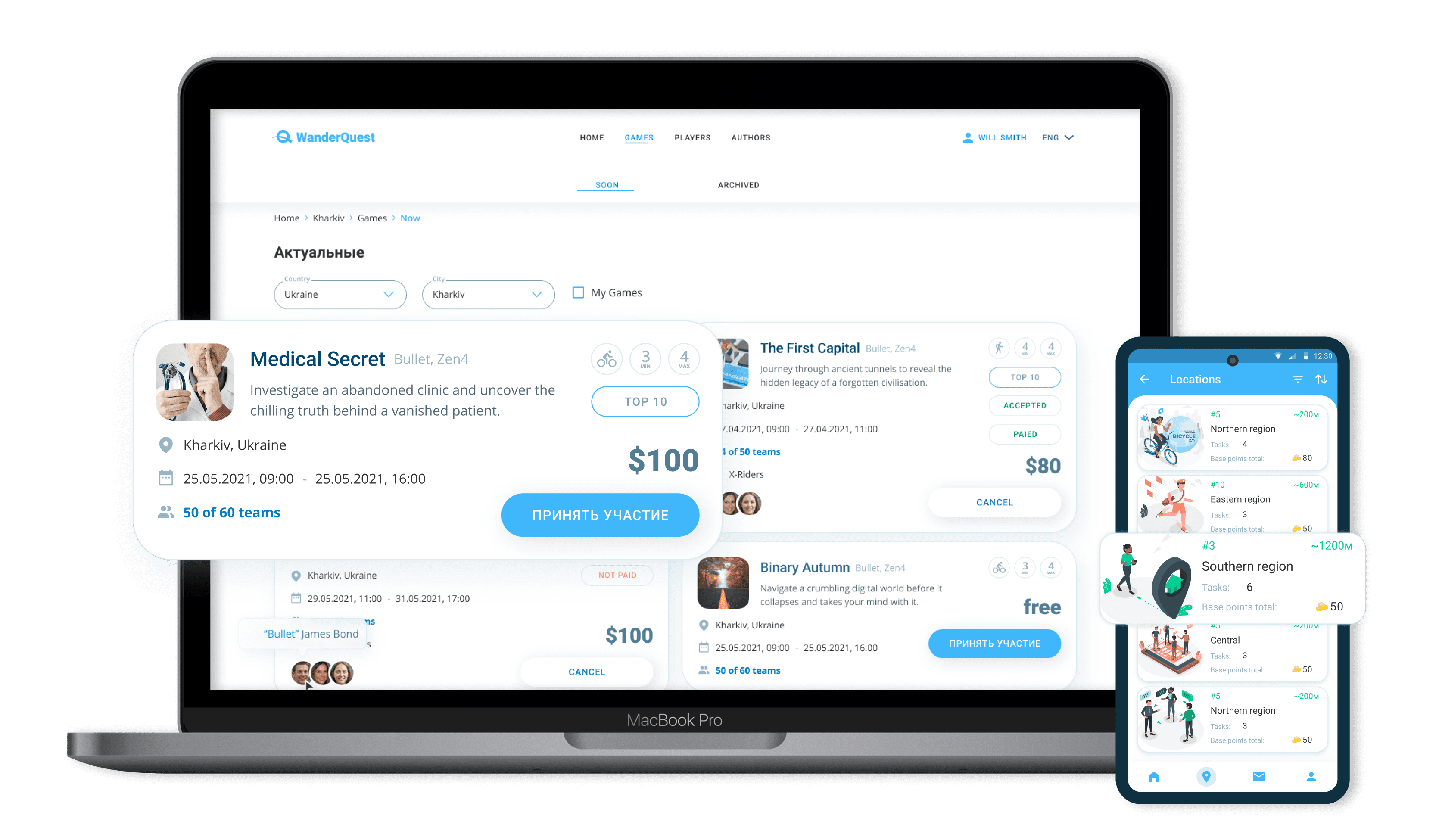
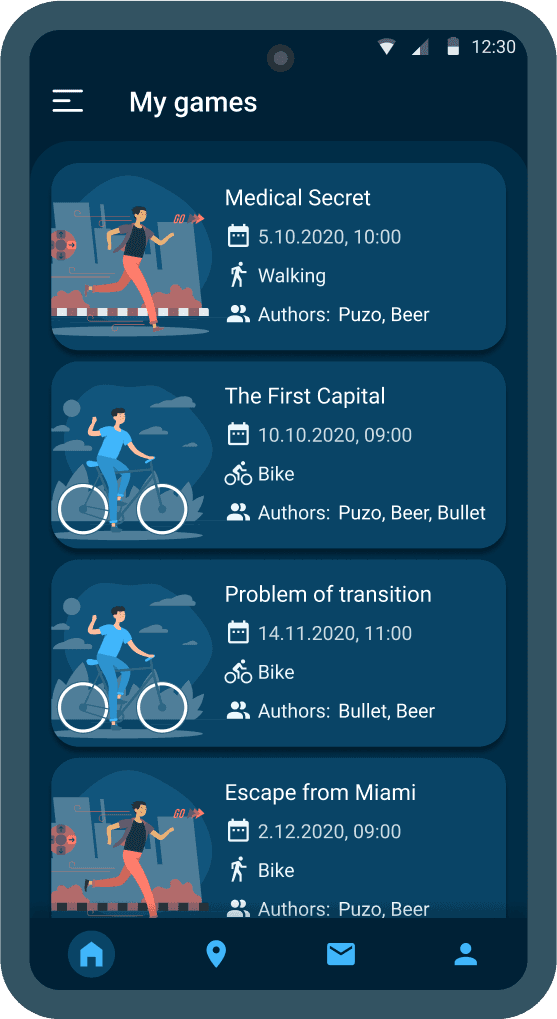
A new kind of adventure. WanderQuest is a mobile game designed to make outdoor exploration more fun. Admins can create challenges like treasure hunts, team missions, or nature quests. Players take on those challenges in real time, exploring new places, earning rewards, and connecting with others along the way.
It’s not just a game—it’s a way to make walking to the woods or wandering through a park feel like something epic.
1.5K
users per month
65
new games each month
AI
for image recognition
My role:
I was one of two designers on the project, and I worked across the entire experience—from early research to high-fidelity prototypes:
Led user interviews and testing with admins and players
Built wireframes, flows, and prototypes for both sides of the platform
Developed a design system to keep everything consistent
Worked closely with developers to refine and implement designs
The Challenge:
Design a platform that’s fun to use, but doesn’t get in the way.
We had two user types with very different goals:
Admins, who needed to set up, manage, and monitor challenges.
Players, who just wanted to get outside and play.
Our challenge was to design a system that felt lightweight and playful for users, while giving admins just enough control behind the scenes.
But we quickly discovered a few things getting in the way:
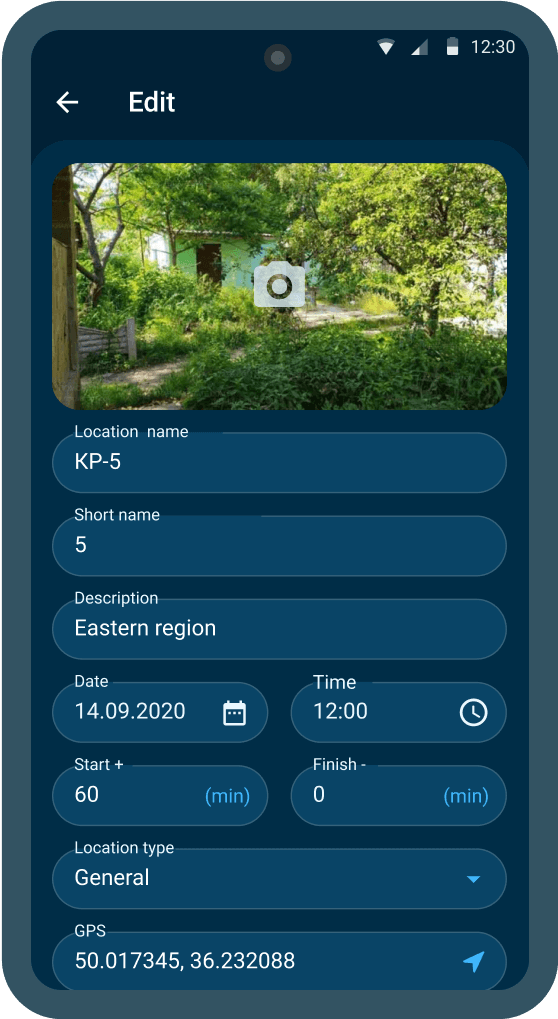
Admins found challenge creation clunky and time-consuming
Players had trouble navigating in outdoor settings—especially with bright screens
Both groups wanted more social interaction and a sense of progress
Listening first:
We kicked things off with research—interviews, surveys, and informal testing with both admins and outdoor explorers. I created personas to reflect both groups, then mapped their needs and pain points across the experience.
Some key insights:
Admins wanted templates and smarter tools to speed up challenge creation
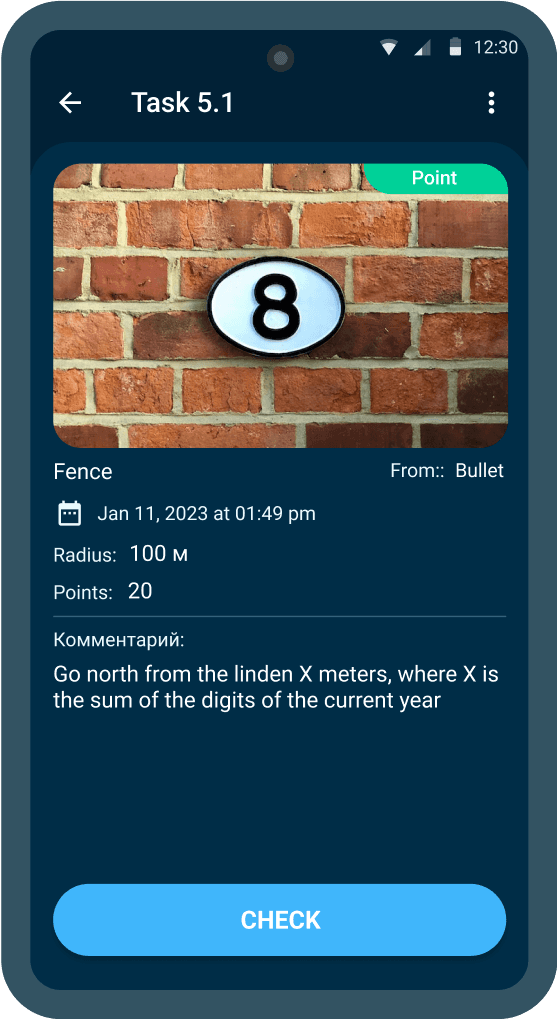
Players needed big buttons, clear paths, and high-contrast UI for using the app outside
Everyone wanted ways to connect—whether that was through leaderboards, chat, or team-based quests
Designing with adventure in mind:
We designed two separate but connected experiences:
For admins:
A clean, intuitive dashboard
Pre-built challenge templates to speed up creation
Real-time stats and messaging tools
For players:
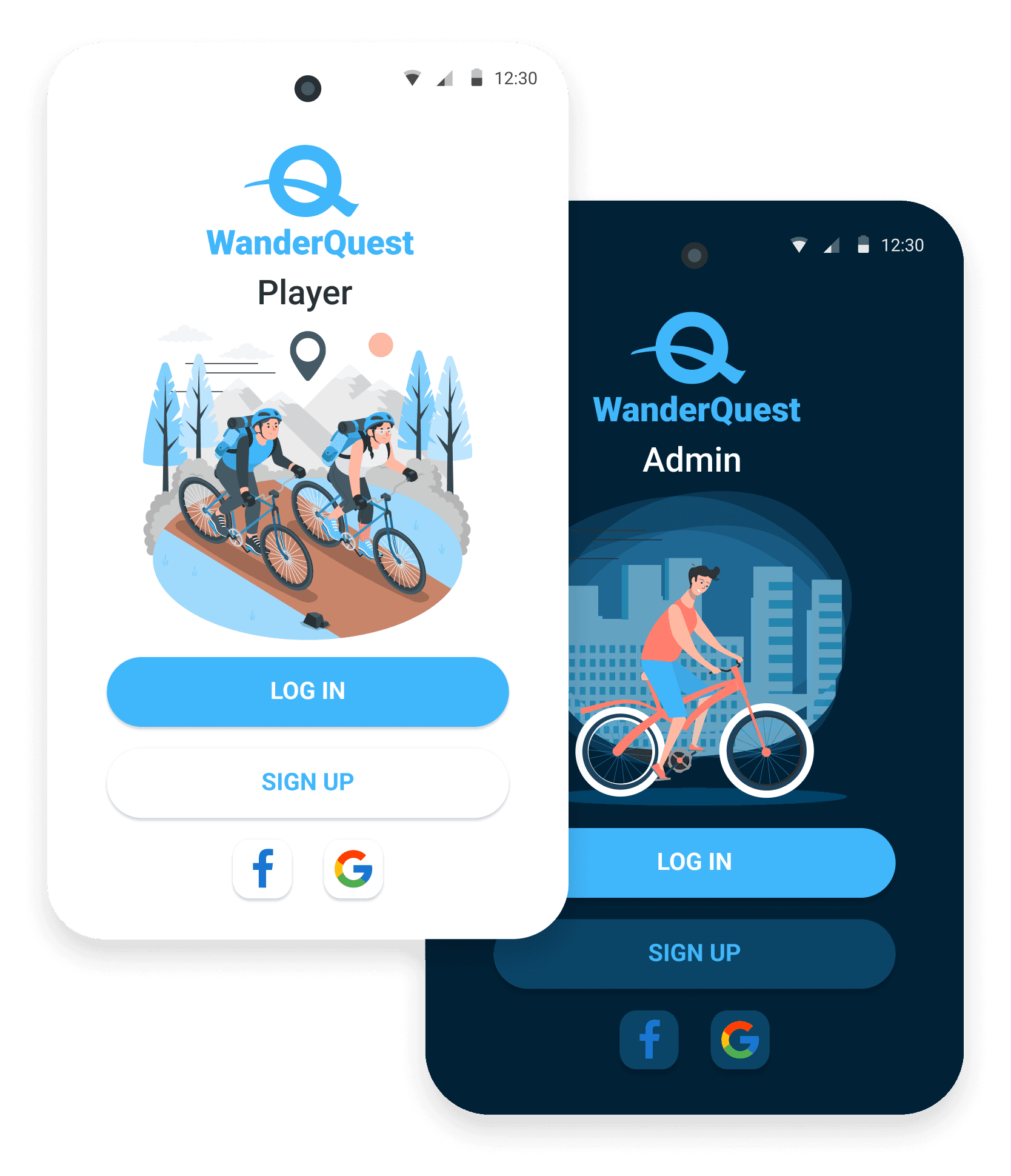
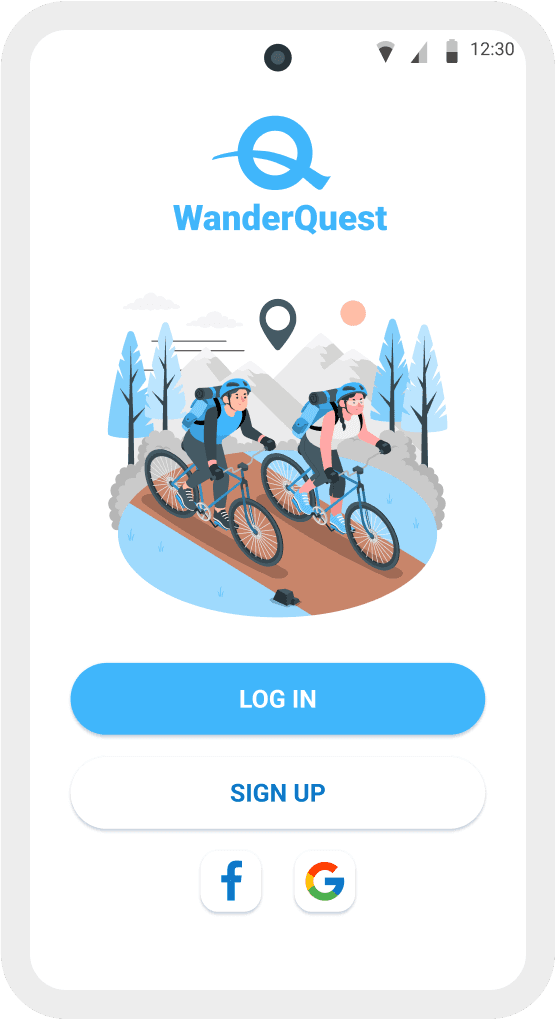
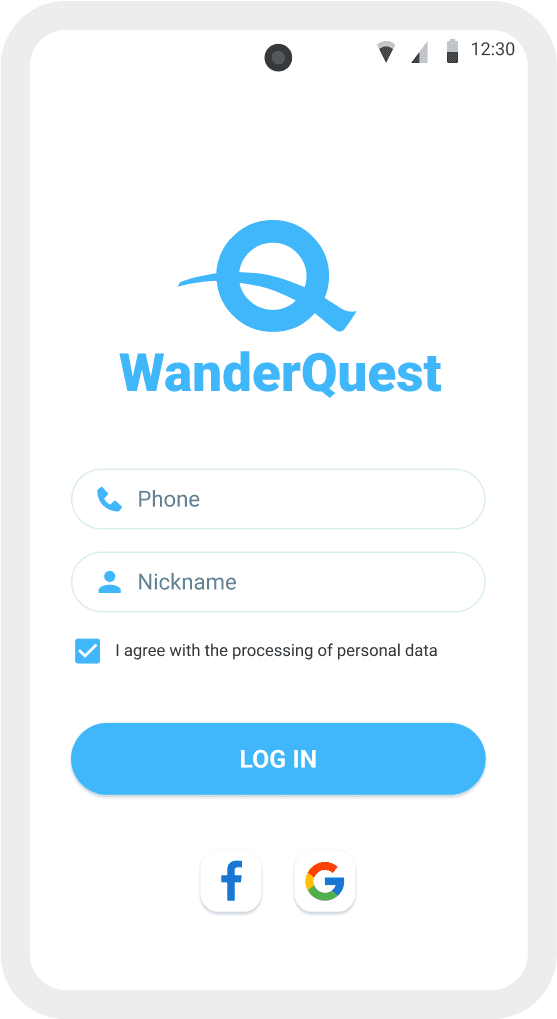
A streamlined onboarding experience
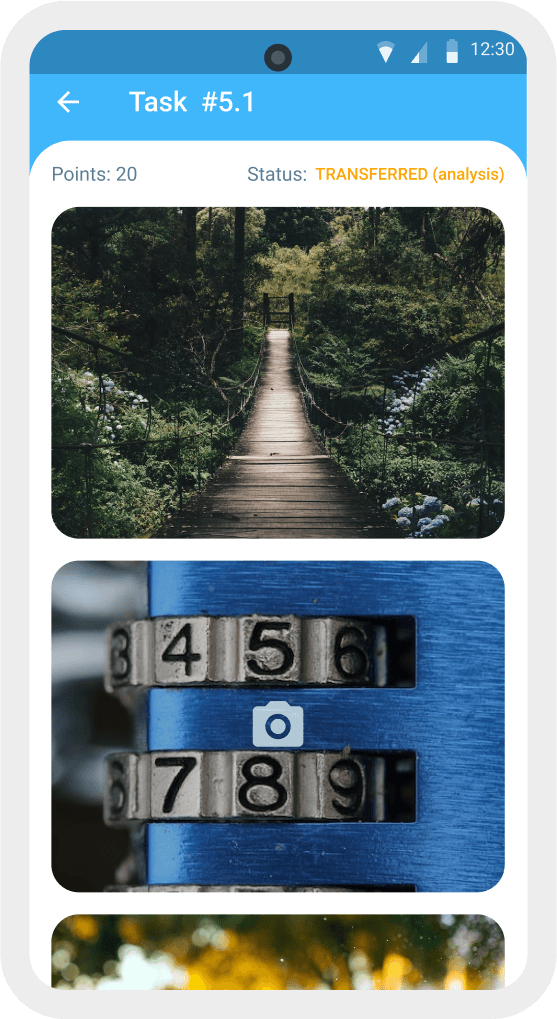
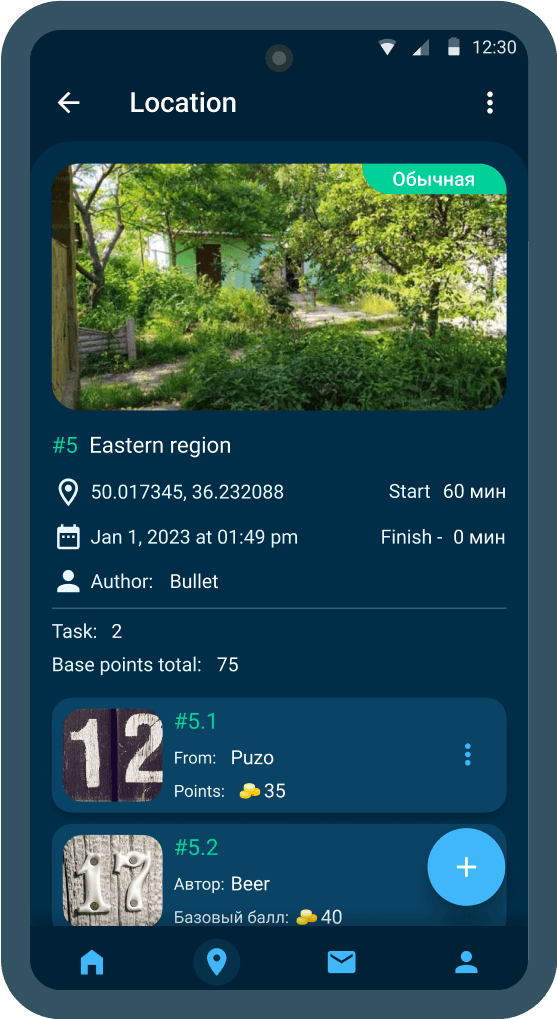
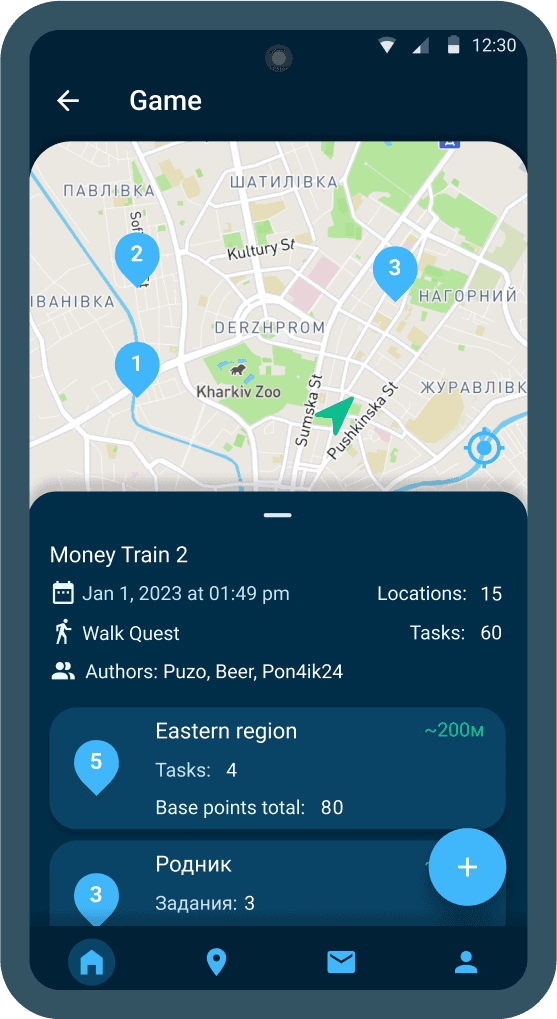
Easy-to-follow maps and progress tracking
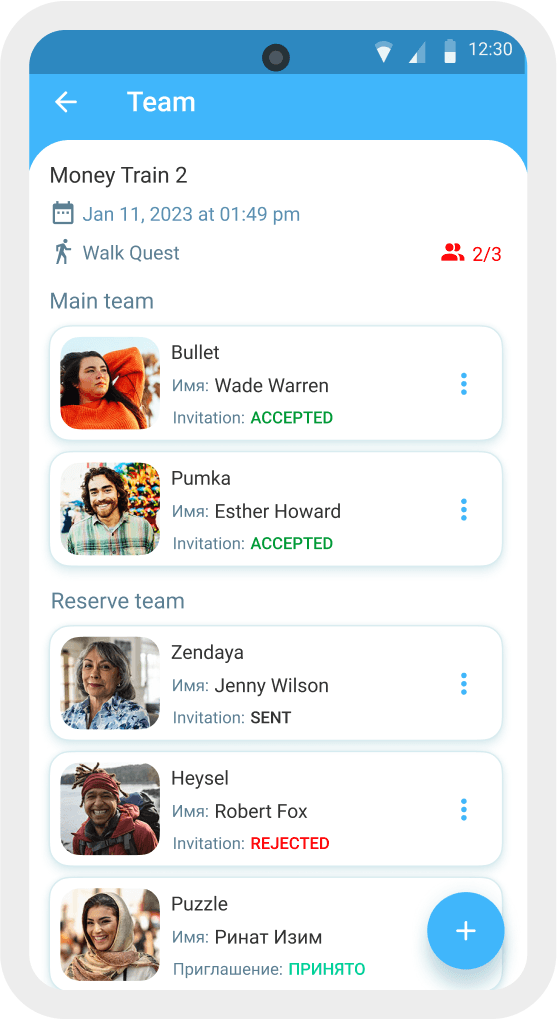
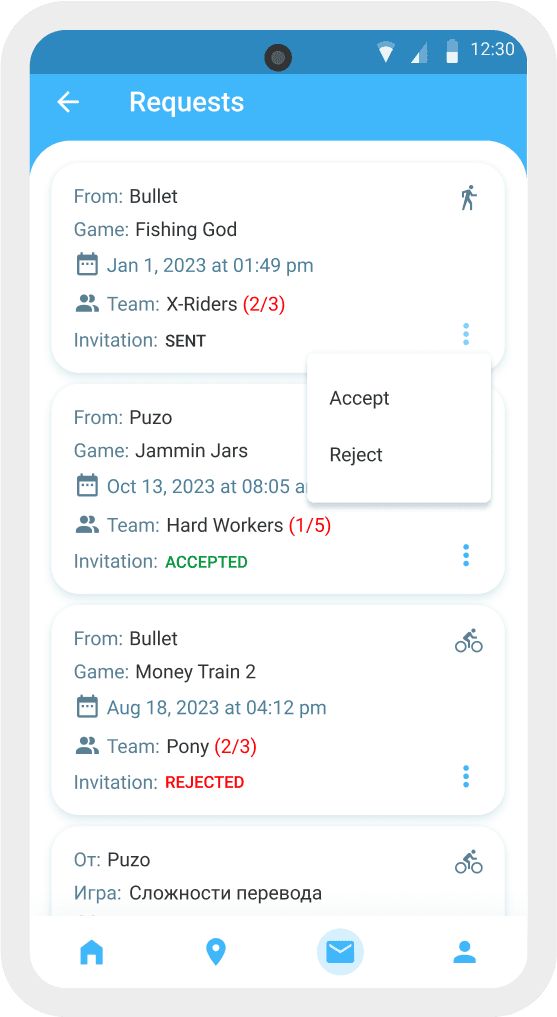
Social features like chat, friend invites, and shared quests
We tested everything—early and often—with real users. Their feedback directly shaped features like the guided challenge builder and the simplified quest navigation UI.
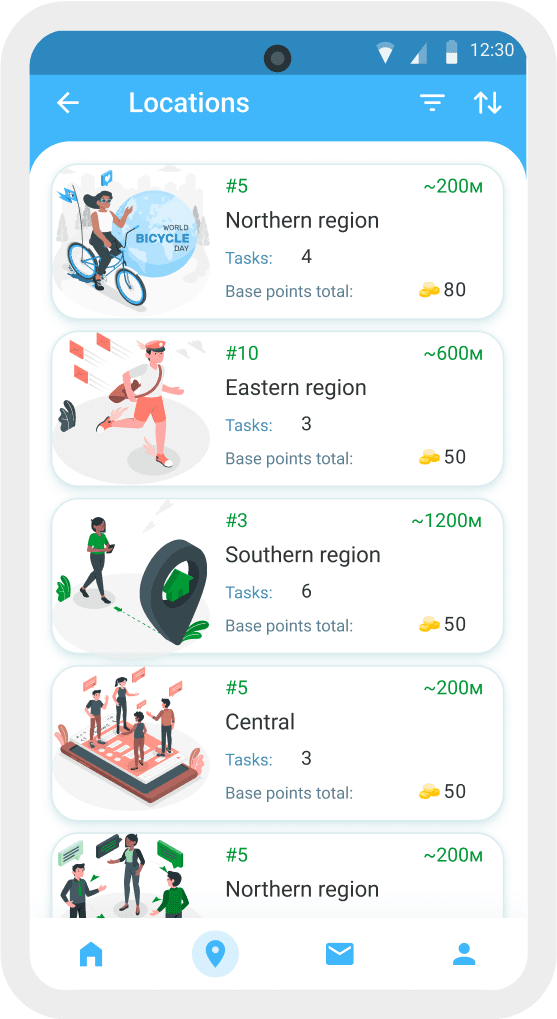
Highlights:
Challenge Creation Flow: Redesigned as a step-by-step builder with optional templates—cut setup time in half.
Outdoor UI Enhancements: Bold colours, larger tap targets, and map-focused navigation made the app easier to use mid-adventure.
Social Layer: Built-in chat, team quests, and leaderboards gave the game more energy and stickiness.
Final results:
We launched the MVP with a small group of users, including schools and corporate teams using it for workshops. The response was enthusiastic:
Admins were creating challenges in under 10 minutes
Players were coming back weekly to complete new quests
The client began planning for phase two—including AR and smart recommendations
What I learned:
Designing for the outdoors is different. It taught me to:
Test where the product will be used—not just in a comfy room
Design for sunlight, movement, and moments of excitement
Balance flexibility for admins with simplicity for players
WanderQuest reminded me that the best digital experiences can lead to the best real-world ones.